Academic mobility

Home » Scientific activity » Academic mobility

Academic mobility is open not only to students but also to academic and other staff. Students of the Department of Digital Technologies in Energy can build an individual educational pathway by spending a semester at a partner university abroad. Mobility is governed by the Regulations on Academic Mobility of Igor Sikorsky KPI.

Department partners

The Department of Digital Technologies in Energy cooperates with institutions and organisations in different countries. Academic mobility agreements have been concluded, among others, under the Erasmus+ programme. Partners:

  • Linnaeus University, Kalmar (Sweden);
  • University of Granada (Spain);
  • Mittweida University of Applied Sciences (Germany);
  • Technische Hochschule Mittelhessen (Germany);
  • Instituto Politécnico de Tomar (Portugal);
  • University of Trento (Italy);
  • University of Málaga (Spain);
  • ENSTA Paris, Palaiseau (France);
  • SAP University Alliances (Germany).

Lecturers from KPI and partner universities advise mobility participants.

How to take part

The main steps are the same for students and staff; details are in the guides for students and for staff:

  1. Choose a programme: calls are published by the KPI Academic Mobility Office on its website and in Telegram, usually at the beginning of a semester.
  2. Submit the full set of documents in person to the Office before the deadline stated in the announcement (list of documents).
  3. Wait for the invitation: if you score enough points, you will receive a nomination email and an invitation letter from the host institution; otherwise you will be placed on a reserve list.
  4. Arrange your official assignment: students submit documents at least 15 working days before the start of mobility (procedure); staff are sent in accordance with KPI's Methodological Recommendations on business trips and internships, and the decision is made by the Commission on business trips and internships abroad for KPI staff (procedure).
  5. After returning, submit a report so that the results of your mobility can be recognised (reporting procedure).
  6. Share your experience with students and lecturers of the Department as well: send your report via Telegram so that a news item can be prepared and published on the Department's platforms.

Recognition of learning outcomes

The Regulations on Academic Mobility define how results obtained during mobility are recognised: curricula or their components agreed with the partner university are taken into account. Double-degree programmes are governed by a separate Regulations on Double Degree Programmes.

Experience of academic mobility of DTE students

Студентка кафедри ЦТЕ Анастасія Грінке навчається в Університеті Тренто (Італія)

З Португалії до Італії: студентка кафедри ЦТЕ Марія Яковенко продовжує знайомитись з Європою через мобільність

Студентка кафедри ЦТЕ Марія Яковенко проходить академічну мобільність в Університеті Тренто (Італія) за програмою Erasmus+ International Credit Mobility.
Read More
Студентка кафедри ЦТЕ Анастасія Грінке навчається в Університеті Тренто (Італія)

Італія, нові відкриття й знайомства: студентка кафедри ЦТЕ Анастасія Грінке навчається в Університеті Тренто за Erasmus+

Студентка кафедри ЦТЕ Анастасія Грінке навчається в Університеті Тренто (Італія) за програмою Erasmus+ International Credit Mobility.
Read More
Учасники заходу ESN Tomar у залі з банером ESN, прапорами та історичними костюмами.

More Than Studies: Travelling Around Portugal and Meeting New People — DTE Student Mariia Yakovenko on Erasmus+

DTE student Mariia Yakovenko tells about studying on Erasmus+ at the Polytechnic Institute of Tomar (Portugal) and shares tips for participants.
Read More
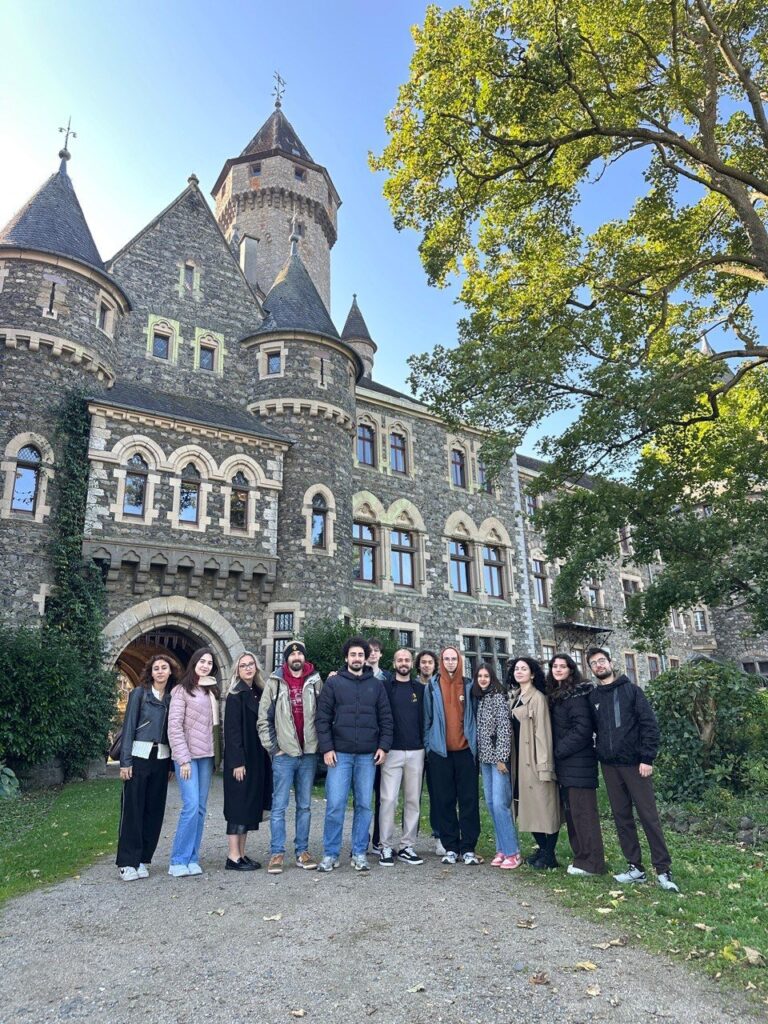
Група студентів, зокрема кафедри ЦТЕ КПІ, за обміном стоїть перед замком із кам’яними вежами.

Broadened Horizons and Friends from Different Countries: DTE Student Uliana Yeshchenko on Her Semester in Germany

DTE student Uliana Yeshchenko tells about studying at Technische Hochschule Mittelhessen (Germany): courses, events and impressions.
Read More


Tips from participants who have completed mobility:

  • Find out in advance in which language the courses you need are taught: if some classes are taught in the local language, you will need to agree on replacing courses.
  • Check what the programme covers: it sometimes provides accommodation or part of the costs. If not, look for housing as early as possible: dormitory places can be limited and rent can be expensive, so include a reserve in your budget.
  • Take climate and daily life into account: housing is heated differently in different countries, so find out about it in advance and bring suitable clothes.
  • Make use of events for international students: universities and student organisations host welcome evenings, excursions and national-cuisine evenings, which is the fastest way to meet people and settle in.
  • Right after arrival, obtain the local documents you need for everyday life: they can give you a transport card and discounts. Ask the university's international office for the list.
  • Learn the language of the host country alongside your main courses: it makes studying and communicating outside the university easier.
  • Combine study with discovering something new: travel, socialise, try new things.

Contacts